
Rethinking Backyard Landscaping for Colorado’s Foothills Slopes
Backyard landscaping in the Colorado foothills is not as simple as rolling out a lawn and calling it done. Uneven grades, rocky soil, strong sun, and quick weather shifts can turn a “standard” flat yard plan into a constant problem instead of a relaxing retreat.
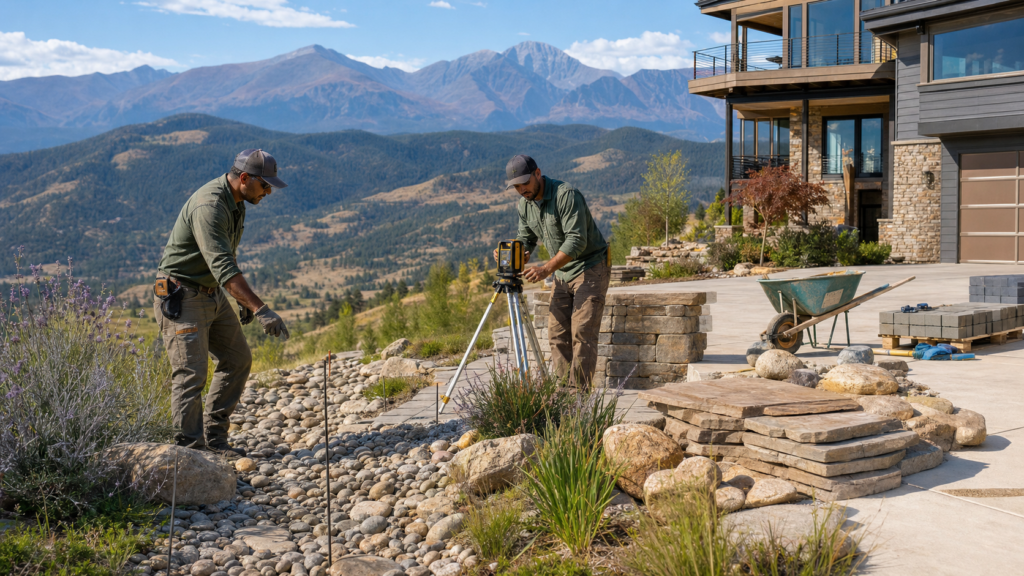
When we work in Northern Colorado’s Front Range and foothills, we see the same pattern again and again: a steep, hard-to-mow back slope, patchy turf, water flowing where it should not, and constant worries about erosion and wildfire risk. When we stop trying to flatten the land and start designing with the slope, that same yard can become a series of terraces, outdoor rooms, and framed views that actually fit the site.
At Couture Landscaping, we focus on custom, climate-resilient outdoor spaces along the Front Range. In this article, we will walk through how to look at your foothills slope, how grading and drainage really work, what to plant, and how to build outdoor living areas that feel comfortable and safe. We will also touch on smart timing and phasing so your backyard landscaping project comes together smoothly.
Understanding Your Foothills Slope
Before any wall, patio, or plant goes in, it helps to slow down and read the land. Every foothills yard has its own shape and mood.
Key things to study on your property:
- High and low points
- Natural drainage paths
- Existing flat or gentle areas
- Rocky outcrops or very thin soils
- Any spots that feel soft, slumping, or unstable
Walk the yard after a good spring or early summer storm. Watch where water gathers, where it races, and where it lingers. That real-world view is more honest than any plan on paper.
Sun and wind also shape your backyard landscaping choices. A south-facing slope will be hot, dry, and quick to melt snow. A north-facing slope will hold moisture and ice much longer. Ridgelines can be windy, while low pockets can trap colder air. These microclimates affect:
- Which plants will thrive
- Where snow and ice hang on paths
- Where you will want shade or wind protection
Foothills soils add another layer. Many properties have:
- Shallow, rocky soils that limit root depth
- Clay pockets that hold water and then crack
- Decomposed granite that can wash out if not stabilized
These conditions change how we handle erosion, whether we amend soil, and when we bring in engineered solutions.
Safety comes first near the house and any steep drop. If a slope feels loose, if you see past erosion, or if you plan tall walls close to structures, it may be time for a more formal review. Some projects need retaining walls, subdrains, or input from engineering professionals to keep everything stable for the long term.
Shaping the Slope with Grading and Terraces
Good grading is not about forcing a flat yard. It is about softening slopes into comfortable, connected levels so people, water, and plants all have a clear path.
We look for ways to:
- Create a few main terraces for outdoor living
- Set gentle transitions between levels
- Keep grades safe for walking and maintenance
A series of smaller changes is often better than one big cut. You end up with usable spaces that feel natural to move through rather than a single tall, harsh wall.
Terraces can become outdoor rooms. One level might hold a dining patio near the kitchen, another a fire pit zone facing the view, and a lower level a play area or small lawn. Planting beds woven between terraces soften the edges and help keep soil in place.
Material choice matters along the Front Range. Some common retaining and step options include:
- Boulders that blend with foothills rock and feel organic
- Natural stone walls and slab steps for a classic, grounded look
- Segmental block systems that are consistent and flexible
- Concrete for modern lines and heavy-duty performance
Each choice has its own feel, maintenance needs, and way of handling freeze-thaw cycles. What they all share is a need for solid drainage. Behind every wall and under every terrace, we think about:
- French drains and drain pipes
- Gravel backfill so water can move
- Swales that guide runoff away from the house
Colorado’s quick summer storms and spring snowmelt test any backyard landscaping plan. When water has a clear, planned route, you avoid washouts, heaving, and icy problem spots.
Planting for Resilient Slope Landscapes
On foothills slopes, the right plants do more than decorate. They hold the ground together.
Deep-rooted native and adapted plants are our first line of defense against erosion. Turf grass alone often struggles on steep, rocky ground, especially with water rules and hot sun. A better approach is to layer plants with different root depths so they knit the slope into one connected system.
We like to think in bands or drifts along the slope:
- Groundcovers to protect the soil surface
- Shrubs to add structure and mid-level roots
- Ornamental grasses for movement and deep anchoring
- Trees in carefully chosen pockets where they can succeed
This mix brings four-season interest and a sense of rhythm across the grade.
Water-wise design is at the core of foothills backyard landscaping. Drip irrigation delivers water right to the root zone, which is both efficient and gentle on slopes. Grouping plants with similar water needs, also called hydrozoning, helps each area get what it needs without waste.
Fire and wildlife also shape plant choices. In foothills neighborhoods, we pay attention to:
- Keeping heavily woody or very flammable plants away from structures
- Leaving breaks between dense plantings near the home
- Choosing species that are less tempting to deer, rabbits, and elk
- Protecting young plants with guards or layout choices
The goal is a yard that feels lush and welcoming but also respects local fire guidelines and animal habits.
Outdoor Living Spaces That Fit the Grade
Once the land is shaped and planted, the fun part starts: creating places to live outside.
On sloped sites, decks and patios often work best when they float or step with the grade instead of fighting it. A raised deck can extend the main floor of the house out into space, with stairs leading down to a lower patio tucked into the slope. Smaller landing areas can break up long stair runs and become cozy spots on their own.
Safe, inviting circulation is key. For steps and paths on a slope, we recommend:
- Wide, shallow risers that feel easy on the knees
- Switchback paths instead of one steep shot
- Handrails where needed for confidence
- Textured stone or pavers for grip in wet or icy weather
- Low lighting to mark edges and changes in level
Outdoor kitchens and fire features need special thought in the foothills. Wind can push smoke, so placement and orientation matter. We often set fire pits or fireplaces to frame a view but still protect seating from gusts. Shade structures like pergolas, shade sails, and roof extensions must handle strong sun, hail, and snow, so material and attachment details really count.
Every hardscape element in our climate has to survive hard freezes, hot days, and long UV exposure. A stable base, proper jointing, and smart material choice pay off in fewer cracks, less heaving, and a backyard that stays beautiful and safe far into the future.
Timing, Phasing, and Planning Ahead
In Northern Colorado, early summer is often a sweet spot to start backyard landscaping work on foothills slopes. The soil is usually workable, irrigation can be tuned as you go, and new plants have a growing season ahead to get roots set before winter.
Most sloped properties benefit from a phased plan, such as:
- Phase 1: Site study, grading, and drainage
- Phase 2: Retaining walls, main patios, decks, and paths
- Phase 3: Planting, lighting, and detailed features
Breaking the work into steps can help with access, neighborhood rules, and daily life at home during construction.
Weather and access are very real parts of foothills projects. Afternoon storms, narrow driveways, steep side yards, and nearby homes all affect how equipment and materials move in and out. A thoughtful design-build process will plan staging areas, protect existing trees and structures, and sequence heavy work before fragile finishes.
It also pays to think ahead. Even if a hot tub, pavilion, studio, or sport court is a “someday” wish, we like to plan utilities, wall locations, and grade lines so those features can be added later without tearing up today’s work. That kind of foresight turns a one-time project into a long term framework for your foothills home.
When we reframe slopes as assets instead of problems, foothills backyards can become some of the most rewarding spaces on the property. A well planned mix of grading, planting, and outdoor living areas can give you terraces for gathering, views that open up, and a yard that works with Colorado’s sun, storms, and seasons instead of fighting them.
Get Started With Your Project Today
Transform your outdoor space into a place you love spending time in with our custom-designed backyard landscaping solutions. At Couture Landscaping, we take the time to understand how you live so your yard is both beautiful and practical. Tell us about your ideas and preferences, and we will create a clear, tailored plan for your property. Ready to move forward with your project? Simply contact us to schedule a consultation.