
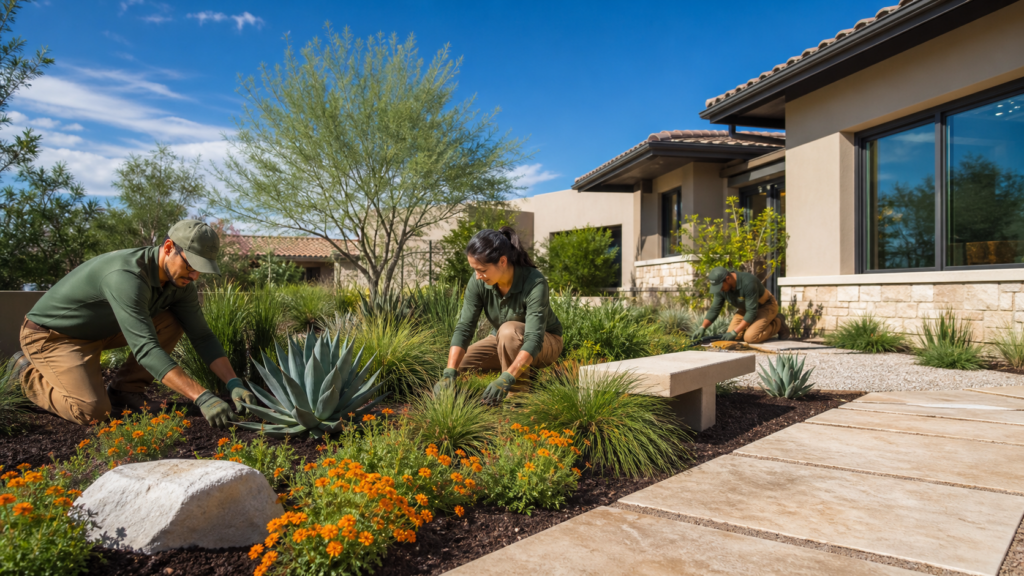
Luxury Outdoor Living That Belongs in Colorado
Native plant landscaping lets you have a rich, green, luxurious yard without fighting Colorado’s climate. Instead of rock fields with a few cacti, you get soft grasses, blooms, and shade that still respect our sun, wind, and limited water.
On the Front Range in late June, the difference is easy to see. Some yards look stressed, with crispy lawns and plants barely hanging on. Others feel cool and welcoming, with native plants that are built for long, dry days and cool nights. Those are the spaces that work with Colorado, not against it.
As a Northern Colorado design-build team, we focus on tying high-end outdoor living areas to native-led planting. That means patios, outdoor kitchens, and fire features that feel like a private retreat, wrapped in plants that are right at home in our soil and sky.
When we say “native plant landscaping” in Colorado, we mean plants that evolved in this region: they can handle altitude, big temperature swings, clay or sandy soils, and our semi-arid climate. That is different from basic “drought-tolerant” plants or generic xeriscape, which might use rocks and a few tough imports that survive here but do not always feel like they belong.
Why Native Plant Landscaping Feels More Luxurious
Many people hear “water-wise yard” and think of hot gravel, a few yuccas, and not much shade. Native plant landscaping can look very different. It can be full, layered, and soft around the edges.
Native-rich designs can give you:
- Soft movement from grasses that sway in the breeze
- Four-season interest from seed heads, bark, and evergreen structure
- Colors that look natural against foothills, not forced or out of place
- A smoother visual line from your yard to the views beyond
There is also a strong sense of place. When you use Colorado natives, your outdoor space feels like it actually belongs to the Front Range. It connects your home to the nearby open space, foothills, and prairies, instead of trying to copy a look from a wetter, milder climate.
Luxury is not just about looks. It is also about ease and experience. Native plants can:
- Support healthier soil life over time
- Attract birds, butterflies, and pollinators
- Need less babying once they are established
- Bounce back better from heat, wind, and cold
Some people worry that native plantings will look wild or messy. With thoughtful design, they do not have to. Natives can fit right into:
- Clean, modern outdoor spaces
- Mountain contemporary homes with lots of stone and wood
- More classic or traditional settings
It is all in how the plants are grouped, framed, and repeated.
Designing Native-led Landscapes with Resort-Level Style
For us, a high-end native yard always starts with how you live outside. We first look at your architecture, the way the sun hits your property, and how you want to use the space. Then we wrap those living areas in native plant communities that feel intentional and polished.
We think through elements like:
- Primary seating zones and lounging areas
- Outdoor kitchens or grill stations
- Fire pits or fireplaces for cooler evenings
- Clear paths so guests move easily between spaces
Once we know where people will sit, walk, and gather, we use native plants to frame and support those spaces. Structure comes first. We lean on native grasses and shrubs as the “bones” of the garden, then layer in perennials for color.
To keep things feeling calm and curated instead of random, we:
- Mass plants in generous groups, not one of everything
- Repeat key species along paths and patios
- Use strong shapes at corners and transitions
- Keep a clear hierarchy in height and density
Seasonal planning is especially important in Northern Colorado. We aim for a strong summer peak, while still caring about spring and winter. That might mean:
- Early color from spring-blooming natives
- A big show from late June through July
- Evergreens and shrubs that hold structure in winter
- Grasses and perennials with seed heads that look beautiful in snow
Hardscape choices can take native planting from natural to truly refined. Stone terraces, custom steel planters, well-defined gravel or stone paths, and high-quality edging all help frame the plants. The contrast of sleek materials with soft native growth gives the space a resort-level feel.
Colorado Natives That Deliver Color, Texture, and Drama
Colorado natives and regionally adapted plants offer all the drama you need, without feeling forced. We usually think in three main plant types: grasses, perennials, and shrubs.
Grasses set the mood and add movement, especially in late afternoon light. Strong options include:
- Little bluestem for upright, blue-green foliage that turns rich in fall
- Switchgrass for vertical accents and airy seed heads
- Blue grama for a clean, tidy look with distinctive seed “eyelashes”
- Prairie dropseed for soft, flowing mounds
Flowering perennials bring long-lasting color and pollinator appeal:
- Blanket flower for warm reds, oranges, and yellows
- Penstemon for spikes of color that hummingbirds love
- Coneflower for bold, classic blooms
- Bee balm for a loose, cottage feel that still fits our climate
- Yarrow for flat flower clusters and strong texture
Structural shrubs hold the design together:
- Rabbitbrush for late-season yellow blooms and a soft form
- Chokecherry for seasonal interest and wildlife value
- Serviceberry for spring flowers and bright fall color
- Mountain mahogany for year-round structure and a rugged, refined look
Planting is never one-size-fits-all. A sunny, south-facing Fort Collins yard is different from a foothills property with cooler nights and wildlife pressure. That is why we look closely at:
- Microclimates around walls, driveways, and slopes
- Wind exposure and shade patterns
- Deer and rabbit activity
- Soil type and drainage
We group plants by water and sun needs so each area can be irrigated appropriately. This keeps plants healthier, cuts waste, and makes the whole space more stable long term.
Water-Wise Without Looking Sparse or Harsh
Traditional xeriscape often leans on gravel, a few shrubs, and lots of open space. It saves water, but it can feel bare and harsh. Native plant landscaping uses the same water-wise mindset but allows for a fuller, greener look.
With a well-planned system, you can hold moisture where plants need it while keeping surfaces dry and clean. Smart irrigation for native-focused yards often includes:
- Drip lines that deliver water straight to roots
- Zones tailored to different plant communities
- Thoughtful soil prep to improve infiltration and reduce runoff
- Controllers set to match seasons and plant maturity
Many homeowners worry a low-water yard will look empty. The key is layering. Instead of one flat level of rock, we use:
- Groundcovers and low perennials near paths and edges
- Mid-height perennials around seating and gathering spaces
- Taller grasses and shrubs at the back or along fences
This creates depth and softness, hides hard edges, and makes the space feel comfortable to be in, even on hot days. Over time, native plants tend to settle in, needing fewer replacements and less fussing. That can mean:
- Lower water use
- Less time fighting pests and diseases
- A yard that looks mature, not tired, as seasons pass
Partner with a Design-Build Team That Knows Colorado Natives
If you walk through your yard in the middle of summer and see stressed lawns, thirsty plants, or wide areas of bare rock, it may be time to rethink the whole outdoor experience. A native-focused design can keep the luxury feel you want while working with Colorado’s climate instead of against it.
Working with a single design-build team keeps everything connected, from the first big idea to the final plant in the ground. One group handles the concept, the layout of patios and paths, the selection of native and adapted plants, and the details that support long-term performance. That way, hardscapes, irrigation, and plant communities all support each other.
For homeowners in Northern Colorado, it helps to start with a clear sense of how you want to live outside. Some people want quiet coffee spots, others want space for big gatherings, and many want both. Gathering a few inspiration photos, even if they are not “native” yards, can help show the mood and style that feel right for you.
Native plant landscaping does not mean giving up on a lush, luxurious outdoor space. Done well, it can look like a custom retreat that belongs exactly where we live: in the Colorado Front Range, between bright blue sky and rugged foothills, built to thrive for years to come.
Get Started With Your Project Today
If you are ready to transform your yard into a resilient, low-maintenance habitat that thrives in our local climate, our team at Couture Landscaping is here to help. Explore how our native plant landscaping services can bring more beauty, biodiversity, and year-round interest to your outdoor space. We will work with you to design a custom plan that fits your property, goals, and budget, then handle the installation from start to finish. Have questions or want to schedule a consultation today? Simply contact us to get started.