
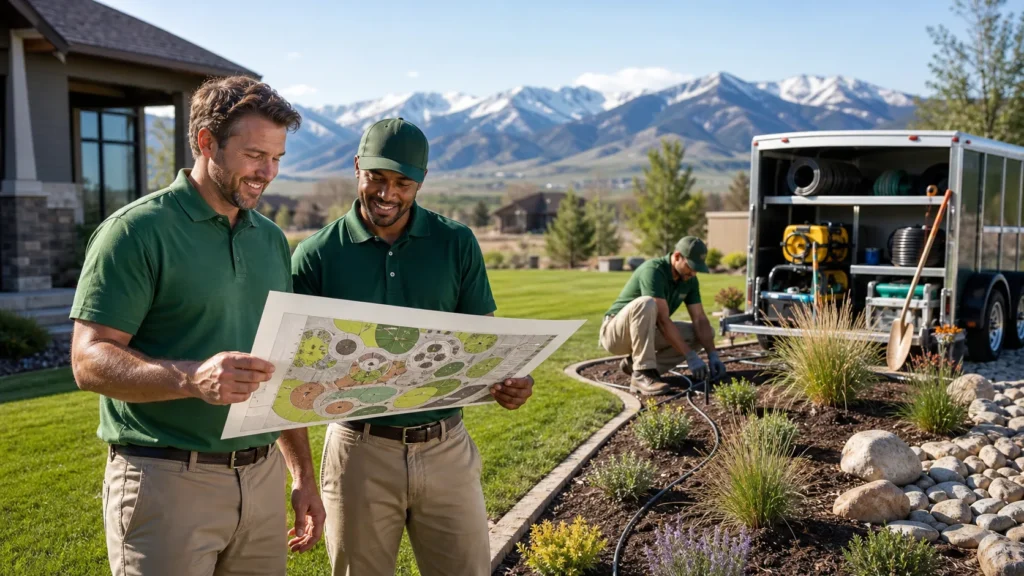
Phased Xeriscape Conversion for Northern Colorado Yards
Xeriscape landscaping is one of the smartest ways to cut water use and still have a beautiful yard in Northern Colorado. Our hot summers, drying winds, and quick weather swings can be tough on traditional lawns, and many homeowners are ready for a different approach.
Instead of ripping everything out at once, a phased plan lets you convert your yard in logical steps. In this article, we will walk through how to choose your start zones, how to time each phase with typical Front Range weather, and how to retrofit existing sprinklers so your new plants thrive without wasting water.
Transform Your Front Yard in Phases, Not All at Once
After another hot, dry summer, many lawns end up patchy, stressed, and thirsty. The water bill climbs, but the yard still looks tired. A full-yard overhaul can feel overwhelming, so the project keeps getting pushed off.
A phased xeriscape landscaping conversion solves that problem. Instead of one huge project, you break it into manageable pieces:
- Spread costs over several seasons
- Limit yard disruption at any one time
- Learn from each phase and adjust the next
This approach means you can start now, not someday. You can test plants, see what you love, and fine-tune irrigation and materials as you go. By the time you reach the last phase, you have real-world feedback from your own property, not just ideas on paper.
Choosing Smart Start Zones for Maximum Impact
The best place to start is where you see your yard the most. That first phase sets the tone and proves that xeriscape landscaping can be both low-water and beautiful.
We usually suggest focusing on:
- Front entry and walk
- Highly visible front lawn areas
- Curb strips and parkways along the street
Updating these spaces makes a big difference in curb appeal. It also gives neighbors and guests a new picture of what a water-wise yard can look like in Northern Colorado.
On foothills properties, microclimates really matter. Common spots include:
- South-facing slopes that bake in the sun and dry out fast
- Windy corners where plants lose moisture quickly
- Shaded north or east sides that stay cooler and hold snow longer
For Phase 1, choose zones where your current turf struggles or where you want a strong visual upgrade. Then, build out a simple sequence like this:
- Phase 1: Front entry, parkway, most visible turf strips
- Phase 2: Side yards, narrow runs, drainage trouble spots, hot slopes
- Phase 3: Backyards, larger gathering spaces, outdoor living areas
By the time you reach Phase 3, you already know which plants perform well on your property and how your irrigation system responds.
Timing Your Phases Around Northern Colorado Seasons
Good timing is one of the biggest keys to a successful xeriscape conversion in our climate. Our high-altitude sun, spring storms, and quick temperature swings mean you want your work and planting windows lined up with the seasons.
For most woody plants and perennials, the best planting times on the Front Range are:
- Early spring, roughly April through May, when soil is starting to warm
- Late summer into early fall, roughly late August through September, when air is cooler but soil is still warm
Hardscape and grading work, such as patios, walls, and drainage, usually fit best from late spring through early fall, when soil is workable and concrete or masonry can cure properly. Winter is a great time for design, planning, and material choices so you can hit the ground running when the weather shifts.
Here is a simple 2- to 3-year calendar that many homeowners find helpful:
- Year 1 fall: Finalize design, remove targeted turf in start zones, address grading, amend soil, install mulch, and outline new bed shapes
- Year 2 spring: Plant foundation trees and shrubs, set initial irrigation changes and new drip lines
- Year 2 late summer/fall: Add perennials, ornamental grasses, and groundcovers, refine bed edges and transitions
- Year 3: Extend into the next zones, fill in gaps, increase plant density where needed, and tune irrigation schedules
This rhythm keeps each season focused and gives new plants time to root in before facing the next round of weather extremes.
Retrofitting Lawn Sprinklers for Efficient Xeriscape
One of the biggest headaches in converting an old lawn to xeriscape landscaping is the existing irrigation. Spray heads that were designed to water large turf areas often cause problems once you introduce rock, mulch, and planting pockets.
Common issues include:
- Overspray on rock or hardscape that wastes water
- Plants drowning because they are on old lawn zones with long run times
- Dry pockets and hot spots where coverage no longer makes sense
A thoughtful retrofit plan can solve these without tearing everything out. Key strategies include:
- Capping or relocating heads in new dry areas or where patios, paths, or walls will go
- Converting spray zones that serve new planting beds to drip irrigation, so water goes directly to root zones
- Splitting zones so high-water plants, such as a small section of lawn, sit on a different valve from low-water beds
Seasonal adjustments are just as important as hardware changes. In Northern Colorado, that usually means:
- Cutting run times during cooler spring and fall weather
- Using cycle-and-soak schedules on slopes, letting water soak in between shorter runs
- Running systems in the early morning to reduce evaporation and wind drift
A professional irrigation review is often the best way to catch hidden leaks, odd overlaps, and control settings that no longer match your new planting plan.
Plant Palette Planning for Each Phase
When you phase your project, you also phase your plants. Start with structure, then add color and texture.
In Phase 1, focus on:
- Drought-tolerant trees suited to local soils and winds
- Shrubs that provide year-round form and seasonal interest
- Evergreen anchors that frame entries and views
These long-lived plants create the bones of the design. Once they are in place, later phases can layer in more detail.
Phase 2 and Phase 3 are great times to add:
- Climate-appropriate perennials for color in waves through the seasons
- Ornamental grasses that move in the wind and handle freeze-thaw cycles
- Groundcovers that knit together open spaces and soften rock or mulch
Grouping plants by water needs and exposure is one of the best ways to keep maintenance simpler. For example:
- Place sun-loving western natives in hot, south-facing beds or reflected heat areas near drives and walks
- Use more moderate plants with a bit more moisture in partial shade or on cooler north and east exposures
- Rely on tough groundcovers and hardy grasses in parkways, curb strips, and along driveways where conditions are harsh
By the time all phases are complete, the yard feels cohesive because each zone was planned as part of one master palette, even though the work was spread over several seasons.
Get Started With Your Project Today
If you are ready to conserve water and simplify yard maintenance without sacrificing curb appeal, we are here to help design the right solution for your property. At Couture Landscaping, our xeriscape landscaping services are tailored to your soil, sun exposure, and style so your new landscape thrives for years. Share a few details about your space and goals and we will guide you through every step, from concept to installation. To schedule a consultation or ask a question, simply contact us today.