
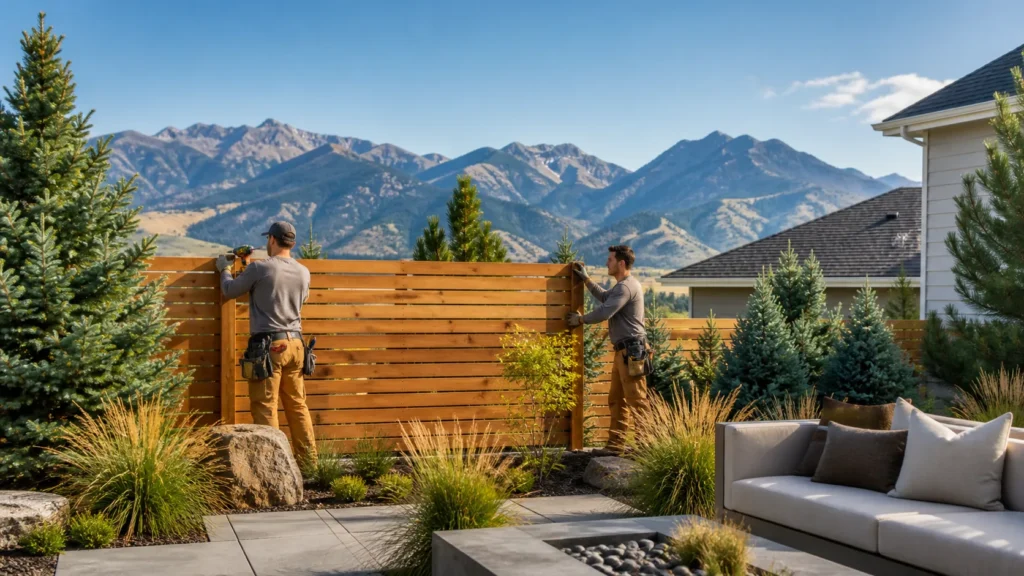
Design Your Dream View, Not Just Your Yard
A foothill view is one of the best parts of living in Northern Colorado. Longs Peak, Horsetooth Rock, and the Front Range give you a daily backdrop that feels special. The right outdoor design should protect those views, not slowly hide them behind random planting and tall fences.
Thoughtful planning lets your yard frame the mountains the same way a good frame supports a favorite painting. We often talk with homeowners about “view corridors,” or the clear sightlines from spots they use the most. When those corridors are planned on purpose, you keep the mountains in focus while still getting privacy, shade, and outdoor rooms that feel comfortable.
Fall is a strong time to plan. Once leaves drop, it is much easier to see exactly what is helping or hurting your view. It is also a good time to fine-tune privacy goals and book luxury landscaping services for custom winter design and spring installation.
Understanding Your Foothill View Corridor
Before any planting or building, it helps to map how you actually see the mountains. We like to walk with homeowners and stand in their real-life spots, such as:
- Kitchen sink or main island
- Primary bedroom windows
- Patio or fire pit seating
- Home office or favorite reading chair
From each place, turn slowly and notice where the foothills appear, where they vanish, and where your eyes are pulled to neighbors, streets, or utility features instead. Those clear paths to the horizon are your view corridors.
You can think of your yard like a picture frame. Low, wide elements help hold the “picture” without blocking it:
- Low shrubs and groundcovers near the foreground
- Drifts of ornamental grasses that sway but stay below eye level
- Boulders that add weight at the bottom of the view
The idea is to keep the lower half interesting and grounded while the sky and peaks stay open. In our four-season climate, it is also smart to think about how the view changes:
- Winter: bare branches, snow on the peaks, stronger sun angles
- Spring: fresh growth, brighter greens, shifting shadows
- Summer: full foliage, more time outdoors, longer evenings
- Fall: changing colors, clearer air, and lower sun
A year-round plan keeps your view working in every season, not just during the few months when the yard is at its lushest.
Smart Privacy Screening That Respects the View
Privacy is still important. Most homeowners want to shield certain angles, like a neighbor’s second-story window or a busy street, without building a “wall” of plants that eats the view.
We usually think of privacy by placement, not just height. That can mean:
- Offset plant groupings that block a specific sightline
- Staggered hedges that close small gaps without forming a tall, solid wall
- Partial screening close to patios and windows, where a 4- to 6-foot screen does real work
Layering is another helpful tool. Instead of one tall, dense row, we often suggest:
- A back row of evergreens or taller shrubs for structure
- A middle layer of medium shrubs for texture and color
- Front plantings of tall ornamental grasses that add movement and soften the edge
The key is to keep the top third of your view corridor open. You feel tucked in at eye level, but the peaks still float above.
Not every privacy problem needs plants. Sometimes hardscape elements are smarter and more targeted, such as:
- Pergolas or shade structures with partial screens on one side
- Decorative panels or screens near a hot tub or dining space
- Seat walls and outdoor kitchens that block views from the street or sidewalk
These features can shield just the awkward angles and leave the foothills untouched.
Tree Placement That Protects Mountain Vistas
Trees are often the biggest risk to a long-term view, simply because they keep growing. A small tree looks harmless at planting time, then one day you notice Longs Peak is gone behind a dense canopy.
We look carefully at tree placement before ever digging a hole. Often, the best locations are:
- Closer to the house, where the canopy sits above your interior view lines
- At the far edges of the property, where they frame the scene instead of sitting in the center
- Away from the main view axis, so they pull the eye toward the mountains instead of straight through them
The “right tree, right mature height” idea matters a lot in Northern Colorado. Our dry climate, sun, and wind all affect growth. When picking trees, it helps to weigh:
- Typical mature height and spread for our region
- Water needs and tolerance of local conditions
- HOA height expectations and view protections
Some species give you filtered views, with lighter branching that still shows the sky and foothills between trunks. Others form a dense wall. Using more open, view-friendly trees in your key corridors and reserving denser types for side yards or utility screening keeps your mountains in play.
We also like to use trees to frame, not just fill. Matching pairs set off a peak like bookends. A single specimen tree slightly off-center can lead your eye out toward the foothills instead of right at the neighbor behind you.
HOA-Friendly Plant Heights and Neighborhood Harmony
Most Northern Colorado neighborhoods have some type of HOA guidelines, especially where views are part of the value. These rules are meant to prevent one yard from blocking another yard’s sightlines.
Common items we see include:
- Fence height limits
- Rules about hedge height or thickness
- View easements that must stay open
- Restrictions on adding tall structures in certain zones
Those guidelines can sound limiting at first, but they often push designs to be more layered and refined. Instead of over-tall hedges, we might use:
- Berms and gentle grade changes to lift shorter plantings
- Tiered beds with low plants in front and mid-height plants behind
- Architectural elements that stay within height limits but still block line-of-sight at sitting or standing height
Clear planning helps. When your HOA can see a thoughtful concept with plant lists, expected mature heights, and simple drawings of view corridors, approvals tend to go smoother. Submitting those plans in fall leaves time for questions and revisions before installation season picks up.
Fall and Winter Timing for Premium Landscape Projects
Fall is one of the easiest times to study your view. As leaves fall and the sun sinks lower, hidden sightlines show up. This lets you see:
- Where neighbors appear between branches
- How the sun hits your patio and windows
- Which parts of the foothills you love most and want to keep clear
Taking photos from key spots and making a few notes gives designers strong material to work from. Then, during the quieter months, there is room for custom planning. Off-season design often allows more time for:
- Careful study of view corridors
- Detailed tree and plant selection
- HOA coordination and feedback
- Sourcing special materials before spring work starts
A phased schedule can set you up for a smooth build:
- Late winter: site prep and any grading or drainage work
- Early spring: hardscape features such as patios, seat walls, and outdoor kitchens
- Mid to late spring: planting trees, shrubs, and perennials as soil conditions allow
This approach means you get to enjoy your updated view, private outdoor rooms, and foothill-friendly yard through the coming summer and fall, instead of watching construction during peak season.
Elevate Your Foothill Views with Couture Landscaping
At Couture Landscaping, we spend a lot of time walking yards in Northern Colorado with this specific question in mind: how do we protect and frame the mountains while giving you privacy and outdoor spaces that feel like an extension of your home? Every property is different, especially with foothill-facing lots, sloped grades, and HOA rules that affect what you can build or plant.
Thoughtful planning, careful tree placement, layered privacy solutions, and HOA-friendly plant heights all work together. When they are handled as part of one clear plan, your foothill views stay front and center, and your yard feels calm, private, and tailored to the way you actually live outside. Luxury landscaping services are not just about pretty plants; they are about protecting the views that made you fall in love with your home in the first place.
Get Started With Your Project Today
Transform your outdoor space into a refined extension of your home with our tailored luxury landscaping services. At Couture Landscaping, we take the time to understand your vision so every detail feels intentional and elevated. If you are ready to discuss ideas, timelines, and next steps, reach out through our contact page. Let us help you create an outdoor environment that feels both luxurious and lasting.