
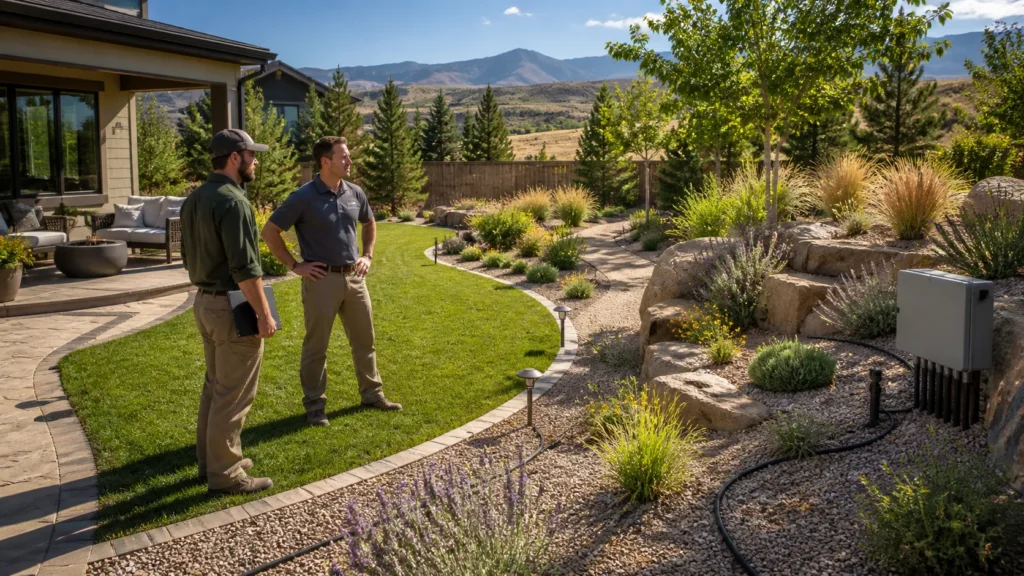
Turn Turf Into a Strategic Design Tool
Artificial turf in Fort Collins works best when you treat it like a smart material, not a full-yard replacement. Our sun is intense, our soils are stubborn, and our freeze, thaw cycle is tough on anything you put in the ground. In some spots, turf is a hero. In others, it quickly turns into a hot, soggy headache.
At Couture Landscaping, we like to think of turf as one tool in the kit. The trick is using it in the right micro-zones: small, purposeful areas that match how your yard is actually used. That means looking at pets, kids, foot traffic, sun, slope, and drainage, and then building a simple “decision map” to guide where turf belongs and where it clearly does not.
Late September is a great time to plan. By now, you have seen your lawn’s weak spots: worn paths, muddy patches, and fried edges. Instead of patching them again next spring, you can start shaping a smarter layout that blends turf, planting, and hardscape in a way that lasts.
Read Your Site Like a Designer, Not a Homeowner
Most homeowners see a yard as one big area. A designer breaks it into smaller zones. When we walk a Northern Colorado property, we pay attention to how the site feels at different times of day and in different seasons.
We look for:
- Sun and shade patterns from morning to evening
- Wind tunnels between houses or around corners
- Reflective heat from light siding, stone, or windows
- Natural “desire paths” where people and pets actually walk
- Low, soggy pockets and dry, crusty high spots
You can do a simple at-home site audit over a weekend:
- Sun and shade log: Check each area every few hours and note full sun, part sun, or deep shade.
- Foot-traffic tracing: Look for thin grass, compacted soil, or spots that always get walked across.
- Drainage check: After sprinklers run or a fall rain, note where water sits, flows, or soaks in fast.
From there, think in micro-zones. Give each zone a quick score for:
- Sun: full, partial, or shade
- Slope: flat, gentle, or steep
- Use: light, moderate, or heavy traffic
- Drainage: good, mixed, or poor
This is the backbone of your decision map. The goal is simple: match turf to zones where it will perform like a high-quality outdoor surface, and choose better materials where it will not.
High-Performance Zones Where Turf Shines
Some areas are almost made for turf, especially with Northern Colorado’s climate.
Pet runs and side dog corridors
Narrow side yards along fences are classic problem areas. Grass gets torn up, turns to mud, then tracks straight into the house. Turf can turn those strips into clean, durable dog lanes.
Key design details we look for:
- A deep, well-draining sub-base so urine and water move through
- Edge restraints that keep dogs from pulling at the edges
- Ventilation gaps near fences to keep smells from building up
- Pet-friendly infill that does not hold odor
Kids’ play zones and backyard fields
Under swing sets and around play structures, grass rarely holds up. Artificial turf gives kids a consistent surface and keeps the area usable longer into fall.
For family play zones, we often consider:
- Shock pads under turf in fall zones for softer landings
- Partial shade from trees or pergolas to help with heat
- Lighter-colored infill that stays cooler in summer
- Native or ornamental plantings around the edges to soften the look
Shaded side yards and high-traffic paths
On the north side of a house, grass can be thin and patchy. Yet, those are often key routes to gates, trash areas, or garages. Turf works well here as a green “walkway” instead of a traditional lawn.
Great turf path zones usually:
- Stay mostly in shade or part shade
- Are relatively flat or gently sloped
- See regular foot traffic that would beat up real grass
- Connect doors, patios, sheds, and gates in a clear way
Critical Fail Zones Where Turf Disappoints
Some spots fight turf from day one. It is better to spot them early than regret them later.
Full-sun heat islands and reflective hot spots
South and west exposures that sit next to concrete patios, driveways, or light siding can become very hot. Synthetic fibers soak up that heat, making the surface uncomfortable for bare feet and paws. In extreme cases, cheap turf products may warp or fade faster.
Clues that a spot is a heat island:
- Plants along that edge often scorch or dry out
- Pavers or siding feel very hot to the touch in late afternoon
- You tend to avoid that area in July and August
Drainage swales, low spots, and snow-melt channels
Areas that carry stormwater or snowmelt are a bad match for turf. Moisture can get trapped in the base, leading to odor, bacteria buildup, and freeze, thaw damage.
Better options in these zones include:
- Decorative rock swales with boulders
- Deep-rooted native grasses that like extra moisture
- Bioswale plantings that filter and slow water
Steep slopes and uneven grades
On steep slopes, turf is hard to anchor long term. Gravity, water, and freeze, thaw cycles can cause slippage and ripples, and seams become more visible.
On these slopes, we often prefer:
- Terraced walls that create flat, usable steps
- Living groundcovers with strong root systems
- Stabilized gravel paths with stone edges for access
Build a Simple Turf Decision Map for Your Yard
You do not need fancy software to plan smart turf zones. A pen, paper, and a bit of time go a long way.
Divide your yard into micro-zones
Draw a simple sketch showing your house, patios, walks, and existing beds. Mark:
- Pet zones and runs
- Kids’ play areas
- Entertaining and seating spaces
- Circulation paths to gates, sheds, and garages
- “View-only” spaces you mostly look at from indoors
Then add notes for each zone about sun, slope, and drainage. Keep it simple and honest.
Apply a green-yellow-red turf filter
Now give each zone a turf color:
- Green zones: Flat or gently sloped, well-drained, high-use areas like pet runs, play spaces, and shaded or partial-sun paths. Turf is a strong option here.
- Yellow zones: Areas near reflective surfaces, on moderate slopes, or with mixed drainage. Turf might work with careful design and the right base, but these are worth a professional look.
- Red zones: Full-sun heat islands, active drainage swales, and steep slopes. Turf here is likely to disappoint, so other materials make more sense.
Layer in Fort Collins-specific factors
For artificial turf in Fort Collins, it also helps to think about:
- Local watering rules and how much real lawn you want to keep
- HOA expectations about appearance and materials
- Where snow from driveways and walks gets piled each winter
- How turf areas will blend with native plants, stone, and hardscape to reflect the foothills character
Design Your Smart Turf Plan Before Spring Arrives
Fall and winter are the planning seasons. With your decision map in hand, you can choose a few priority zones instead of trying to “turf everything.” A pet run here, a kids’ play patch there, and a clean side path can completely change how clean, calm, and usable your yard feels.
When you are ready for a more detailed plan, a design-build firm like Couture Landscaping can walk the site with you, refine your map, and balance turf, planting, and hardscape. The result is not just less mud or fewer bare spots. It is a yard that works with Northern Colorado’s climate, not against it, and outdoor rooms that feel good to live in all year.
Get Started With Your Project Today
Transform your yard into a low-maintenance, green space with our custom artificial turf in Fort Collins solutions. At Couture Landscaping, we listen to your goals, evaluate your property, and design a turf installation that fits your lifestyle and budget. Reach out today to schedule a consultation or ask questions about your options by using our contact page form. Let us help you enjoy a beautiful, usable lawn all year long.