
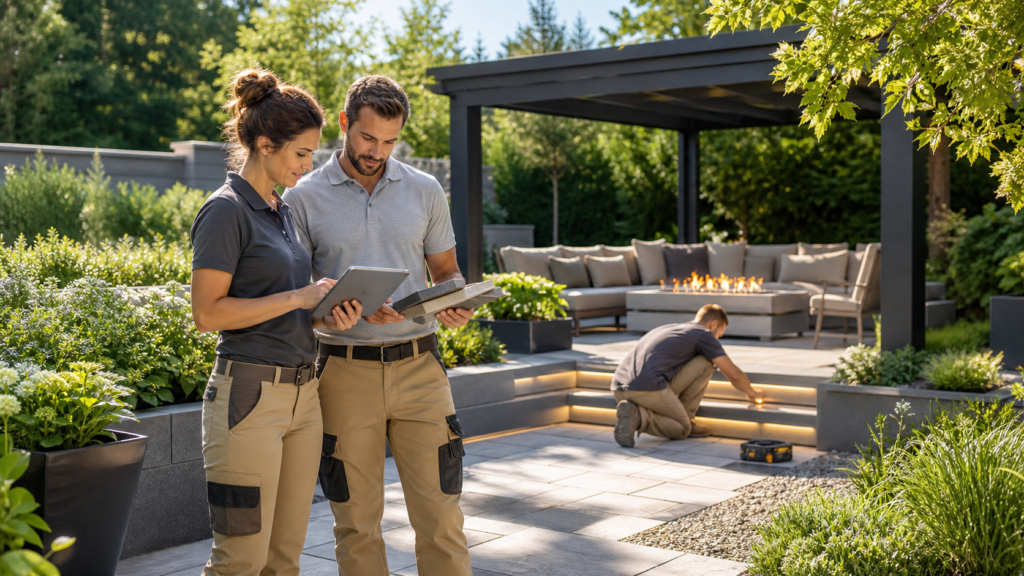
Subtle Design Choices with Big Everyday Impact
Outdoor living spaces should feel like a natural part of your home, not an afterthought. When they are planned well, they shape your mood, your daily habits, and how you enjoy the foothills view right outside your door. Small design choices can make the difference between a space you pass by and a space you actually use every day.
We think of these as quiet design moves. They are not bold statements or loud trends. They are thoughtful decisions about where you sit, what you see, how the air moves, and how the space feels under your feet. On a foothills property in Northern Colorado, where light, wind, and temperature shift quickly, those details matter.
Our team focuses on a design-build process with a limited number of projects at a time. That lets us stay deep in the details, from the first concept sketch to the final stone set. Let us walk through some of the subtle choices that quietly lift outdoor living spaces into something special.
Framing Views and Privacy Without Losing the Landscape
A great outdoor space starts from the inside of your home. We like to stand at key windows and doors and ask: what do you see now, and what should you see instead? The view from your kitchen sink, great room, or primary bedroom can help decide where patios, seating areas, and fire features belong.
Some helpful planning questions are:
- What should be the first thing you see when you step outside?
- Which distant views are worth framing, like foothills or a big sky sunset?
- Which areas should quietly drop out of view, like service zones or neighboring roofs?
Privacy does not always mean tall fences or heavy screens. On foothills lots, you often want to feel tucked in without losing the open views that drew you to the property. We work with soft layers that protect key spaces while keeping the landscape feeling broad.
Subtle privacy tools include:
- Staggered plant groupings that filter views instead of blocking them
- Low seat walls that define space and hide sightlines when you sit
- Gentle elevation shifts that drop a patio or raise a planting bed just enough
- Tree placement that breaks a direct line of sight to neighbors
Focal points are another quiet but powerful move. A sculptural tree, a cluster of natural boulders, a carefully placed water feature, or a custom fireplace can pull your gaze toward the best part of the view. At the same time, these elements help distract from less appealing edges, like a nearby road or utility area, without ever feeling forced.
Layered Comfort for Four-Season Colorado Living
In Northern Colorado, comfort outside is not just about temperature; it is about microclimates. A sitting area that feels perfect at 10 a.m. might feel harsh by midafternoon if there is no shade or wind relief. We like to create a mix of zones that stay useful from cool spring mornings through hot summer days and into crisp fall evenings.
We look at:
- Where the sun hits in the morning and late afternoon
- How wind moves across the lot and around the house
- Where shade naturally falls from the structure and existing trees
Built-in wind screens can be designed as part of the architecture, not tacked on later. A low wall with a narrow opening, a partial screen made from wood or metal, or even dense planting can soften gusts without closing you in. Overhead structures, like pergolas or shade frames, can be designed for adjustable shade, so you can shift from dappled light to deeper cover as the day heats up.
Temperature-extending features are especially helpful here. Correctly placed fire elements bring just enough warmth to keep you outside longer without overheating the space. Radiant heat at key gathering spots, such as under a covered dining area or near a lounge zone, can stretch the season in a quiet way. We also think carefully about material choices so surfaces feel good under bare feet in summer but do not store too much heat and radiate it back at night.
Materials, Textures, and Lighting That Feel Effortless
When the foothills are your backdrop, you do not want your outdoor living spaces to compete with the view. A restrained material palette keeps everything calm and timeless. Stone, wood, metal, and planting can be combined so the space feels rich but not busy.
We often work with:
- One primary stone color with a few finish variations
- One or two wood tones that echo your home’s trim or interior accents
- Simple metal details for railings, screens, or fire features
- Planting that adds color and movement without feeling chaotic
Texture and scale add depth without noise. That might mean mixing smooth-cut stone with more natural surfaces, or changing joint patterns as you shift from a main patio to a more intimate nook. In planting beds, varied leaf shapes, heights, and bloom times bring interest at eye level and underfoot without turning into a jumble.
Lighting is where many outdoor living spaces either shine or feel harsh. We aim for layered, low-glare light that supports easy movement and relaxed evenings. Path lighting should guide, not spotlight. Integrated step and wall lights make level changes safe and subtle. Warm accent lighting on trees, stonework, or a key architectural feature extends the space into the evening while still letting the night sky stay dark enough to enjoy.
Thoughtful Transitions Between Indoors and Out
The threshold between your home and your outdoor living spaces should feel gentle. If the step down is awkward, the paving feels unrelated, or the traffic flow is clumsy, you are less likely to move in and out throughout the day. We like to think of doors as soft edges, not hard borders.
Aligning floor levels as closely as possible is one strategy. Matching or complementing interior finishes is another. For example, if you have wide plank flooring inside, outdoor paving can echo that with longer stone pieces or consistent joint lines. When furniture lines inside are mirrored outdoors, such as aligning an interior dining table with an exterior dining zone or fire feature, the spaces feel like one connected experience.
We also plan the practical side of transitions, which is especially important in our climate. Durable materials near doors help handle traffic, water, and grit. Thoughtful drainage and snowmelt planning keep meltwater moving away from the house while still allowing easy use of main outdoor living spaces. When these details are worked out early, the connection between indoors and out feels seamless and low stress over time.
Tailored Details That Make the Space Uniquely Yours
The quiet details are where an outdoor space starts to feel like it truly belongs to you. Instead of adding a long list of features, we focus on a few tailored moves that support how you actually live.
These might include:
- Concealed storage for cushions, blankets, and outdoor games
- Built-in planters for herbs near the grill or kitchen door
- A custom grilling and bar zone sized to your typical gatherings
- A tucked-away coffee nook that catches morning light
We care about custom craftsmanship because it signals quality without shouting. Hand-selected boulders that look like they have always been there, carefully fitted stonework with tight joints, and thoughtfully detailed metal or wood pieces all add to a sense of quiet luxury. Nothing needs to be flashy to feel special.
When outdoor living spaces are planned at this level, they tend to stay useful as your life shifts. The same seating area that works for a slow morning can flex for a family dinner or a larger summer gathering. Over time, those subtle design choices support new rituals and memories, turning your foothills property into a calm, enduring retreat.
Get Started With Your Project Today
Transform your yard into a place you truly enjoy spending time with custom-designed outdoor living spaces tailored to your lifestyle. At Couture Landscaping, we listen carefully to your ideas and create thoughtful plans that fit your home, your routines, and your budget. If you are ready to explore what is possible, reach out and contact us so we can discuss the next steps for your project.